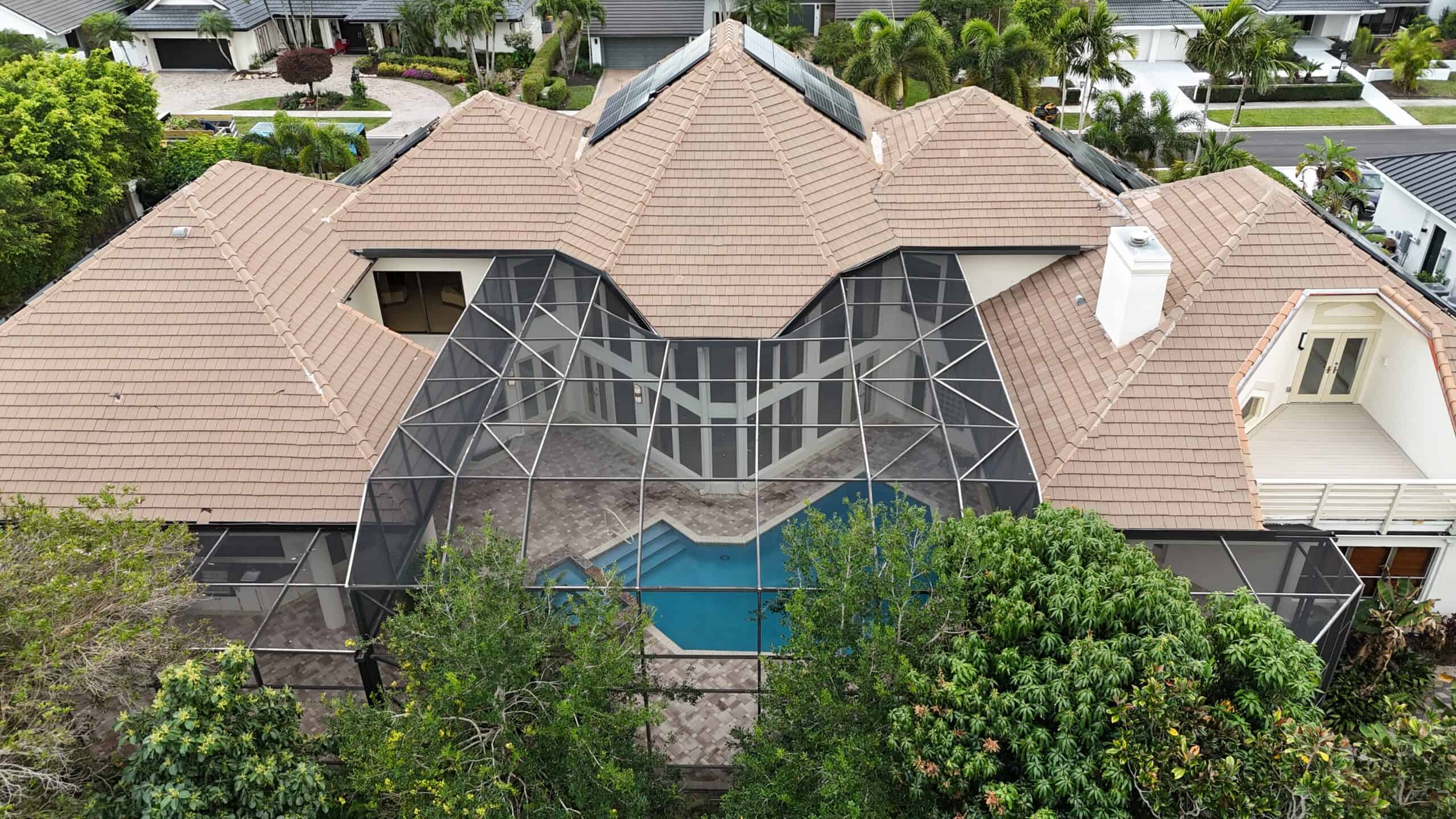
Pool Enclosure Cost Guide · 2024
The Economics
of Transparency
Accurate, unbiased pricing data for pool enclosures — so you can plan with confidence and hire with certainty.
2024 Market Rate
$9–12
per sq ft · Standard
$12–15
per sq ft · Panoramic
Scroll
Cost Breakdown
Two Enclosure Standards,
One Clear Picture
Pool enclosure pricing is driven by material grade, mesh specification, and structural complexity. Here's what each price tier actually delivers.
Standard Enclosure
per square foot · installed
The workhorse of pool enclosures. A standard screen enclosure uses a powder-coated aluminum frame with fiberglass or polyester mesh panels. Functional, durable, and widely available from licensed contractors statewide.
- Aluminum frame structure
- Standard screen mesh panels
- Single entry door
- Basic weather sealing
- Permit-ready design
- 10–15 year lifespan
Example
A 400 sq ft enclosure: $3,600 – $4,800
Panoramic Enclosure
per square foot · installed
The premium choice for unobstructed views. Panoramic enclosures use extra-wide mesh bays with minimal framing, creating an almost invisible barrier. The result is an open-air feel with full insect and debris protection.
- Heavy-gauge aluminum frame
- No-see-um panoramic mesh
- Double or sliding entry
- Premium weather sealing
- Enhanced UV protection
- 20–25 year lifespan
Example
A 400 sq ft enclosure: $4,800 – $6,000
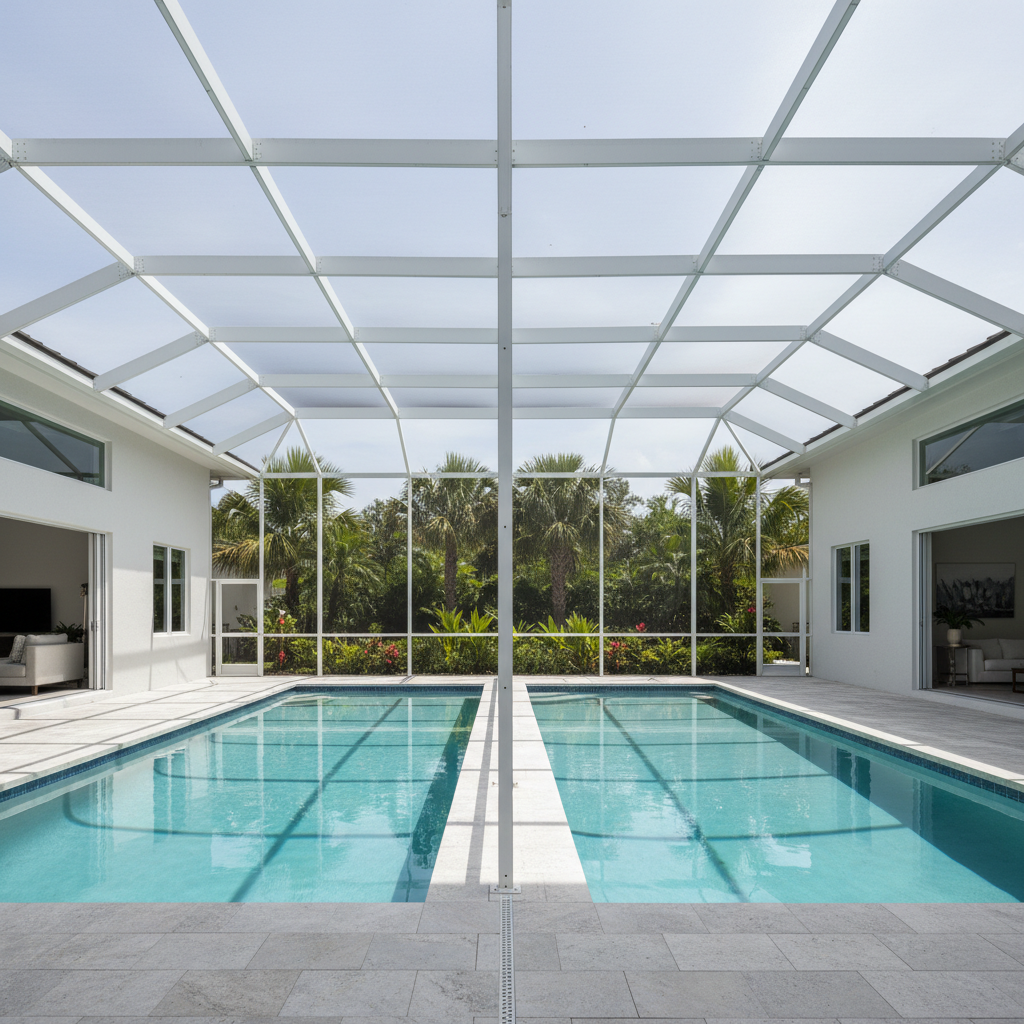
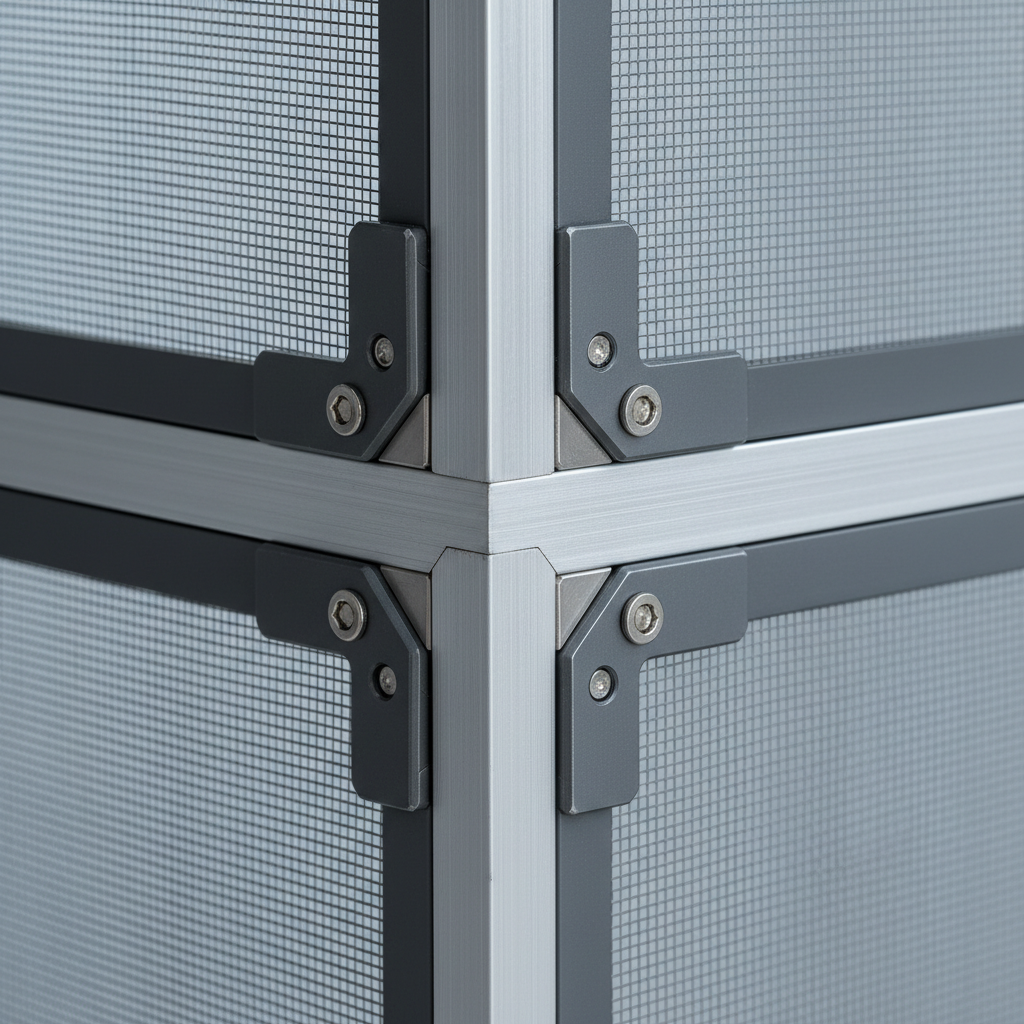
Precision Instrument
Calculate Your
Enclosure Cost
Adjust the dimensions below. Estimates reflect the full installed price range from licensed contractors, inclusive of materials and labor.
Total Enclosure Area
Floor: 400 sq ft · Walls: 640 sq ft
Standard Enclosure
$9,360
low estimate
$12,480
high estimate
Rate
$9 – $12 / sq ft
Panoramic Enclosure
$12,480
low estimate
$15,600
high estimate
Rate
$12 – $15 / sq ft
Estimates reflect typical installed costs from licensed contractors in Florida and other major pool enclosure markets. Actual pricing varies based on site conditions, permit fees, and regional labor rates. Always obtain multiple quotes from licensed, insured contractors.
Get a Free Quote→The Ledger of Accountability
Why a Licensed
Contractor Is Non-Negotiable
Pool enclosures are permanent structures attached to your home. The difference between a licensed and unlicensed contractor isn't just quality — it's legal, financial, and structural protection.
The Unlicensed Reality
What you risk
No Liability Coverage
If an unlicensed contractor is injured on your property, you as the homeowner may be held liable for medical costs and damages.
No Building Permit
Unpermitted structures can trigger fines from your county, delay home sales, and require costly demolition or retrofits.
Voided Homeowner's Insurance
Many policies exclude coverage for damage caused by or to unpermitted structures built without a licensed contractor.
No Recourse for Defects
If the structure fails — from poor anchoring, faulty welds, or incorrect framing — you have little to no legal recourse.
vs
The Licensed Professional
What you receive
State-Issued License
Florida and most states require screen enclosure contractors to hold a valid state contractor's license, verified through a public database.
Pulled Permits
A licensed contractor will pull the required building permit before work begins. The permit creates an official record and triggers a county inspection.
General Liability + Workers' Comp
Licensed contractors carry insurance that protects your property and their workers. Request the certificate before any work begins.
Written Contract
Scope of work, materials, timeline, and payment schedule should all be in writing — a licensed professional will provide this without hesitation.
How to Verify
Search your contractor's license on your state contractor licensing board website. In Florida, use the DBPR license lookup at myfloridalicense.com. A valid license takes 10 seconds to verify and protects your entire investment.
Ready to get started?
MarionScreenEnclosures.com
Information Archive
Frequently Asked
Questions
Answers to the questions every homeowner should have answered before signing any contract.
The three largest cost drivers are enclosure size (square footage), mesh type (standard vs. panoramic), and site complexity. A straightforward flat-lot installation with standard mesh will come in at the low end of the $9–12/sqft range. Sloped lots, existing concrete work, elevated decks, or custom shapes add cost. Permit fees — which vary by county — are typically an additional $200–$600.